

Drawing Without Pictures
Starting a sketchbook habit slowly

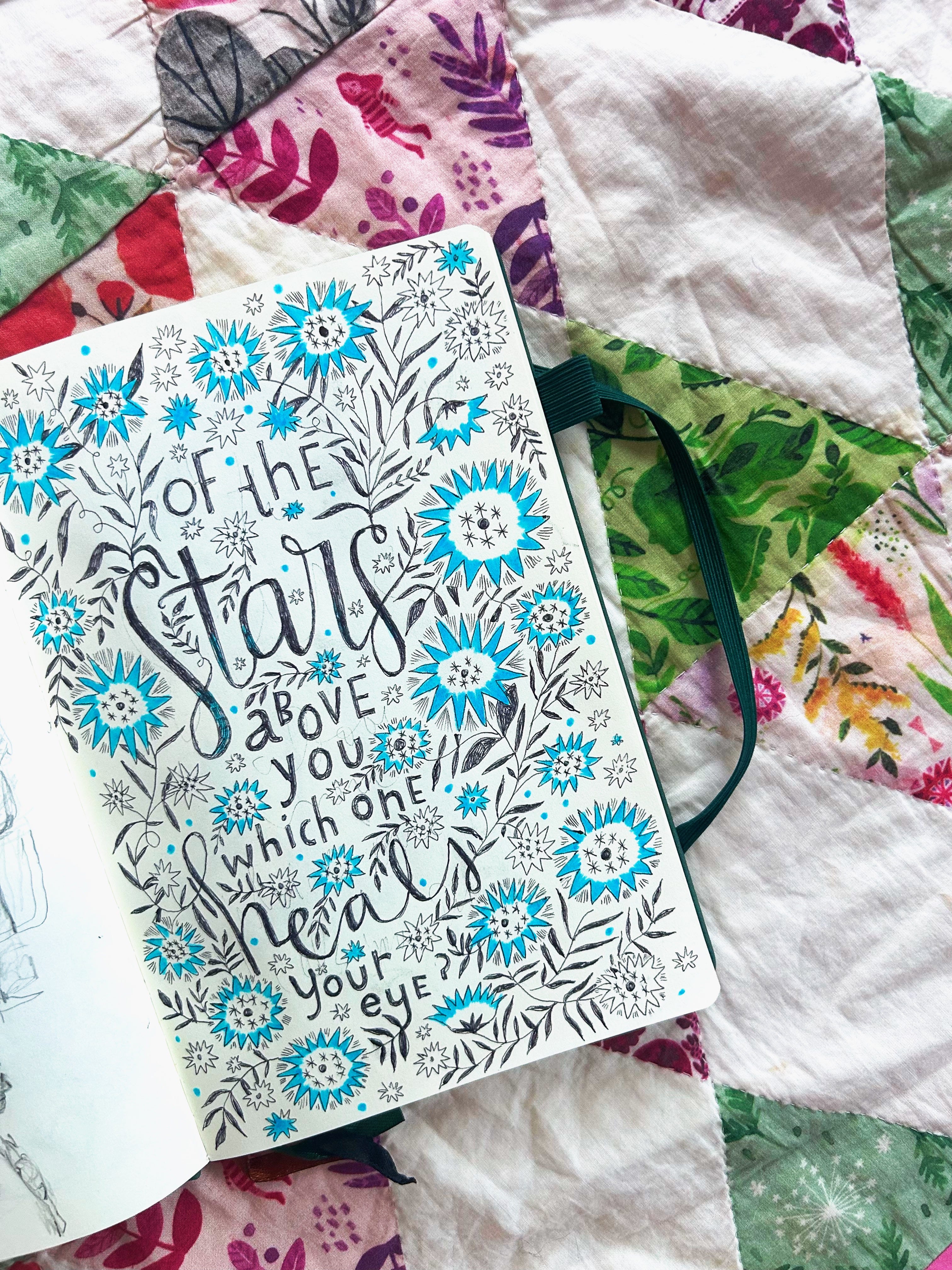
When my nephew was a toddler, he had a very specific birthday dinner request: salad without lettuce. He liked tomatoes. He was fine with cucumbers. But he did not enjoy lettuce. He recognized that lettuce was typically a part of the salad equation, but then opted out. So you can have salad without lettuce. You can have a movie with almost no dialogue. You can make a picture book without pictures. And in that spirit, I’d suggest that sketchbooks aren’t solely for artists.
A reoccurring thing I hear is someone mentioning that they enjoy looking at sketchbooks, but that they themself can’t/don’t draw. And I’ve been mulling this one over lately. My take?
Either:
You appreciate art, enjoy viewing, but are happy to leave its creation to others. This is how I feel about baking. I’m an average cook. No one will die eating what I bake, but no one is likely to get excited about my culinary skills. Paradoxically, I love Ainsley Durose’s Instagram account. I am enthralled with her pastries. Her skills are a marvel. I will watch every single video she posts. But I’m not going to start making croissants tomorrow. It’s a joy to see another person make something marvelous, even if I have no intention of doing similar, ever.
Or…You really do want to draw. You’d like to paint. But you don’t know where to start. Maybe you’ve had a bad experience with art. Maybe you’re in a season of life where you barely have five minutes to yourself. Maybe you’re overwhelmed by what you see on the internet and have no idea where to begin when it comes to creative pursuits.
So if you fall into the second camp? Here’s some ideas to ease into keeping a sketchbook:
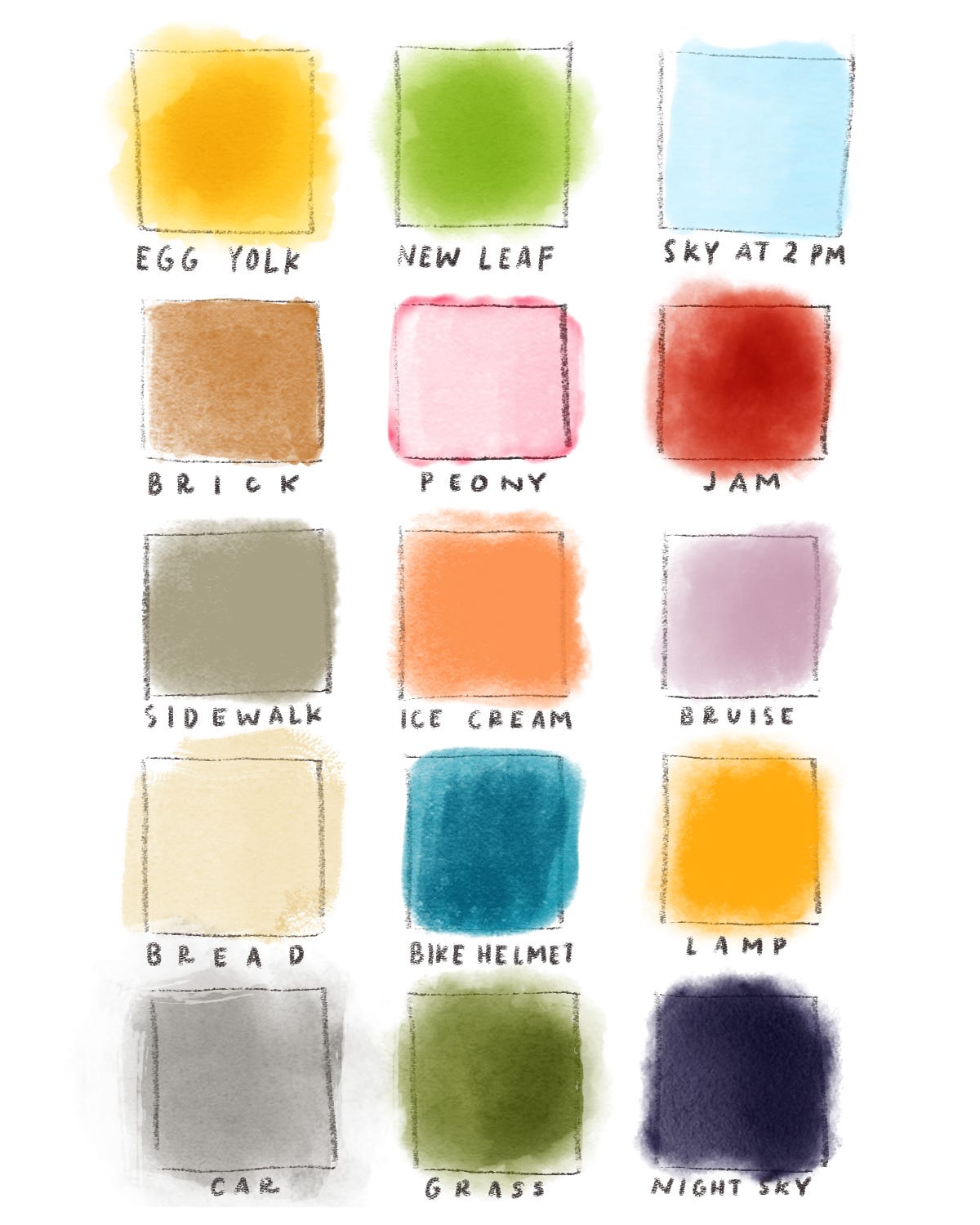
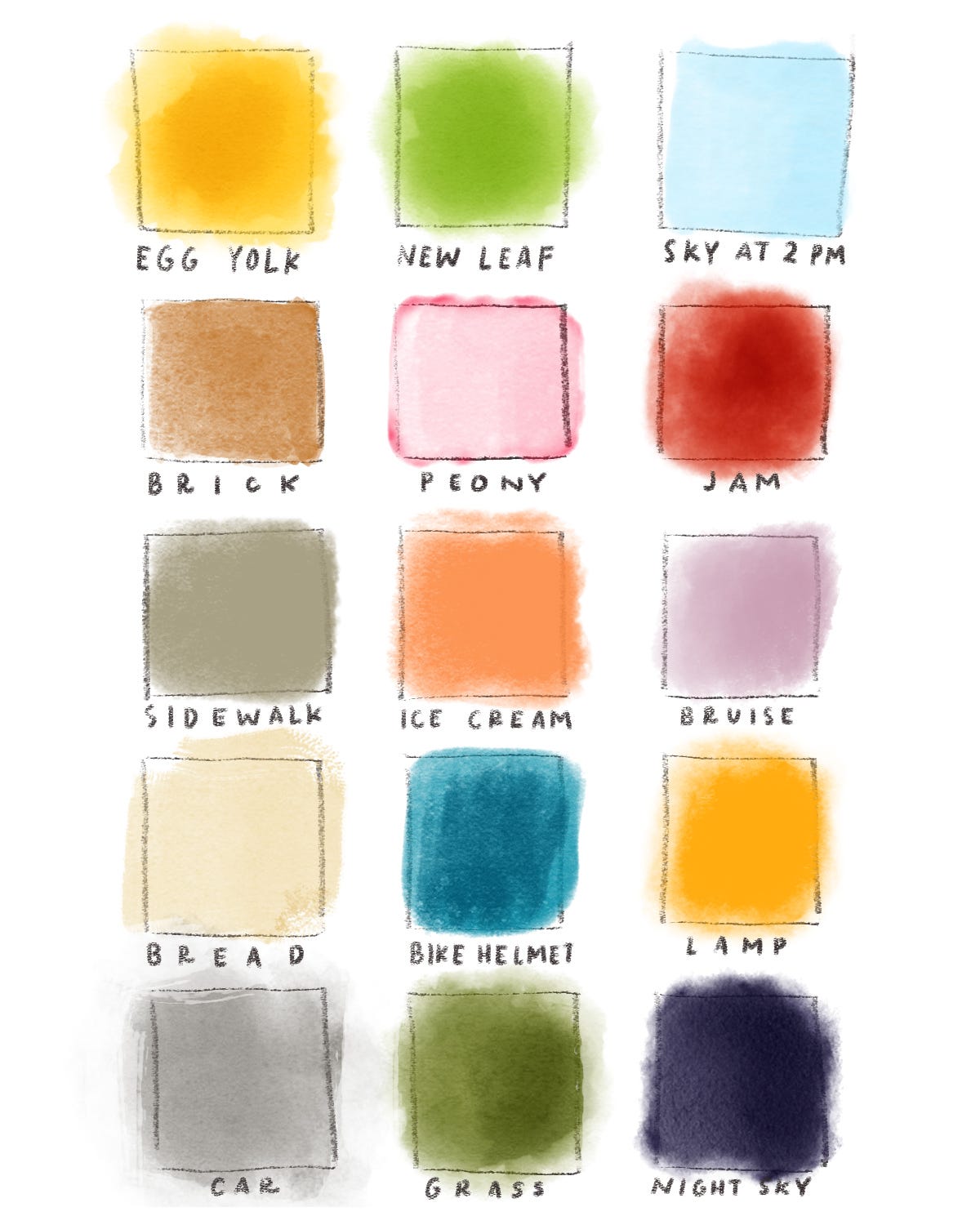
Fill a page with squares: Color in each square to match the world around you: the greens of your garden, the grey of a skyscraper, the orange of a traffic cone, the yellow of a school bus. Play around with layering and mixing colors.
Draw Lines: What lines surround you? Is it the jagged, rough lines of tree bark? The smooth curves of a river? The sharp, packed lines of a bunch of reeds?
Draw Shapes: What shape does a huddle of pedestrians make when crossing a busy street? How do the clouds above move — fluffy cumulus or rippling stratus? Don’t think about details, just go for the simplest shape that reflects what you see.
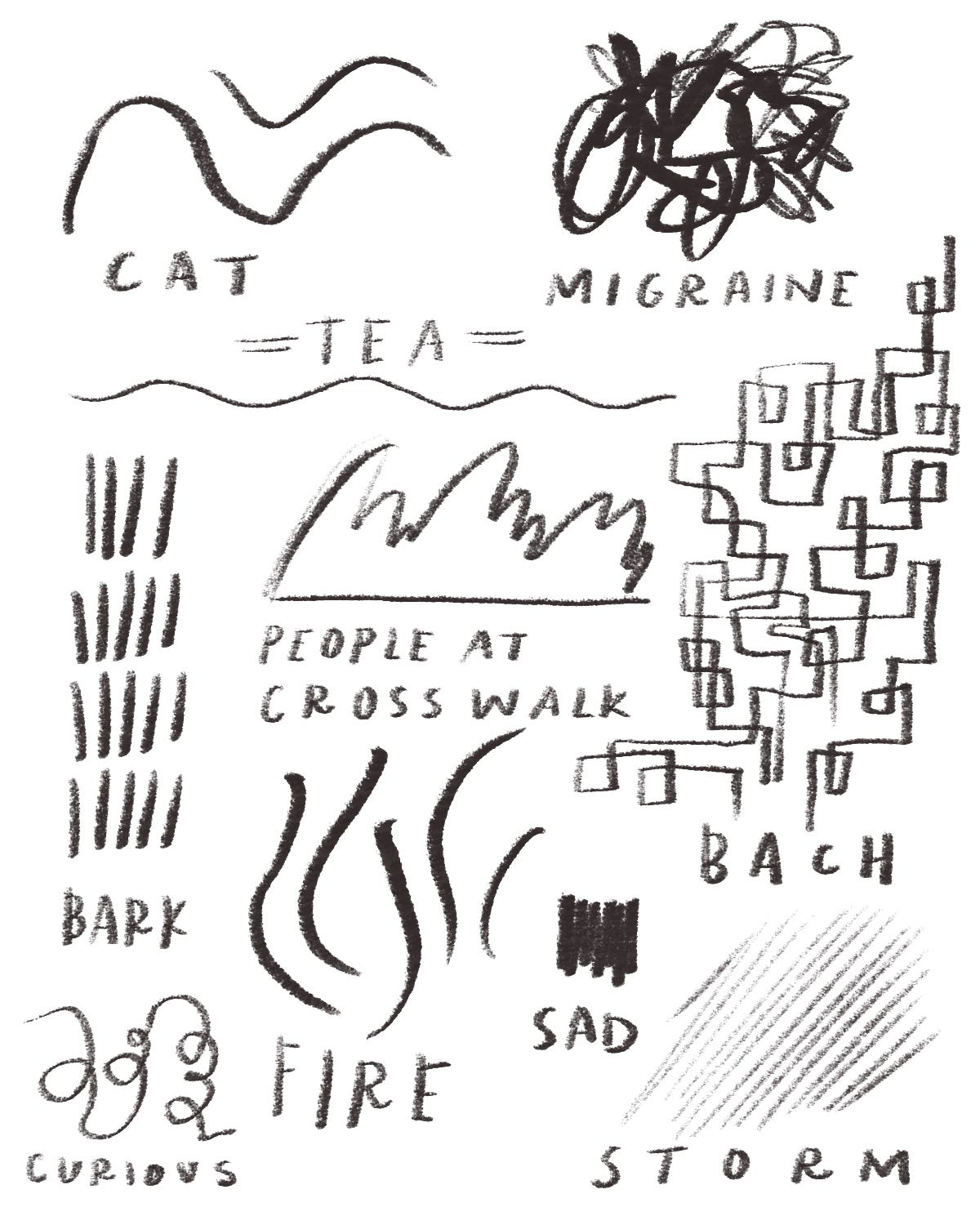
Listen to Music: Find a tune that gets stuck in your head. Write down the line that speaks to you. Which word in that line jumps out? Do the lyrics feel jagged and sharp or soft and hopeful? Is the song bright and shiny, or subdued and melancholy? Does the music feel like a color? Listen to wordless music, too. To me, Bach feels like straight lines and intricate shapes building upwards. In contrast, Smetana’s The Moldau feels like curving lines and slowly growing forms. Also, there’s no right or wrong answer here. It’s how the music makes you feel.
Collage: Cut pictures out of magazines. Snip words from newspapers. Add bits of cards and letters. Paste in that coffee shop receipt or the concert ticket stub. Arrange to your heart’s content and then glue things down.
Be a scientist: Experiment. What happens when you layer pencil over paint? Create swatches with different pens. How does watercolor behave with a little water? How does it behave with a lot of water? Make art with unexpected media (like crayons). Keep notes about your process.
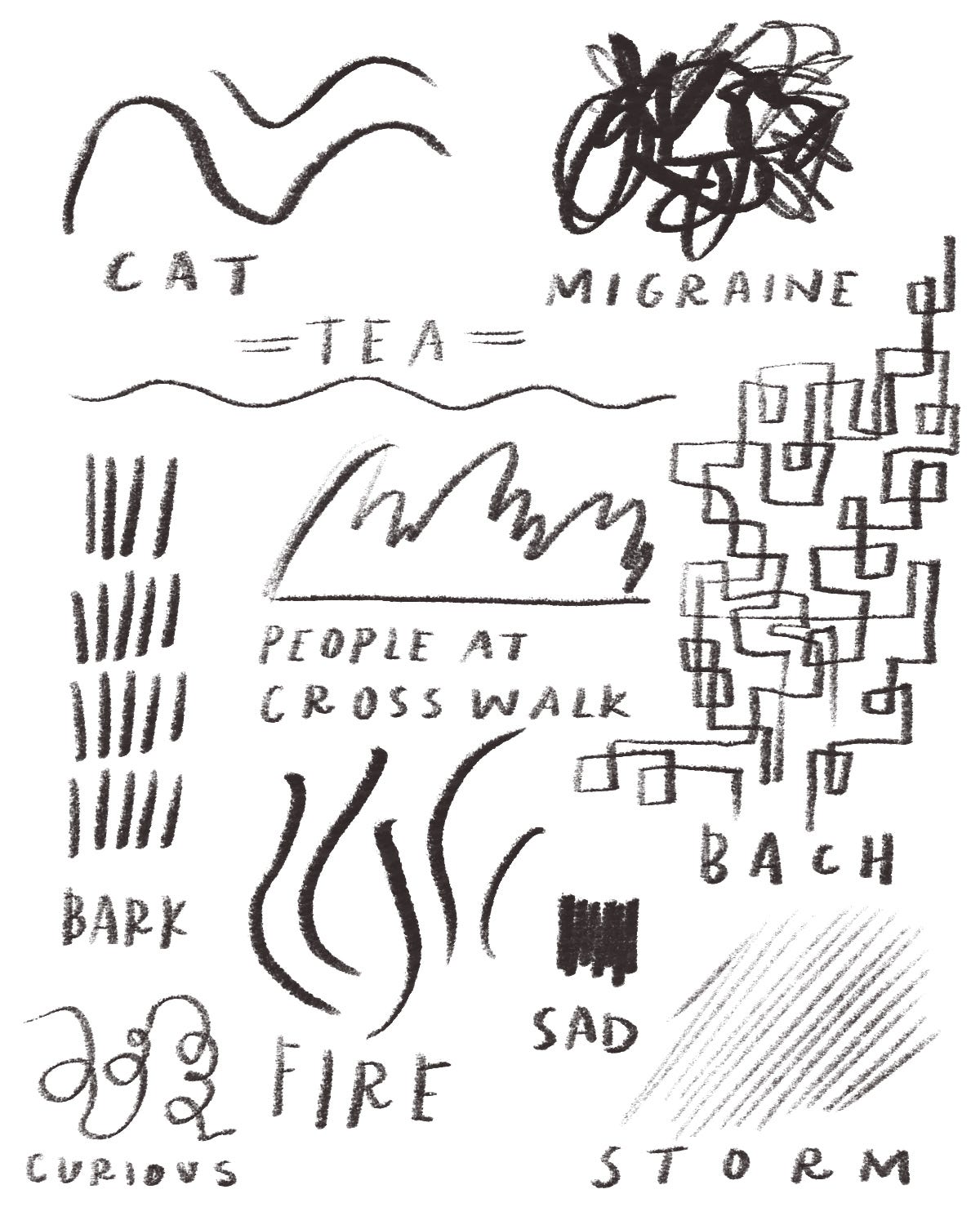
I have a few more sketchbook keeping ideas for someone just starting out here. But the biggest takeaway? Get used to the idea of a sketchbook before the idea of making art.
In the Suzuki method of violin instruction, very young learners sometimes start out on a cardboard violin. Wrangling a violin is tricky — your hand has to snake around the instrument’s neck in a way that feels alien. Your own neck and chin are responsible for keeping aloft this strange object. And then getting a sound out of a violin on the first go that doesn’t sound like a cat wailing? That’s rough. This is where the cardboard violin comes into the equation. The student can get used to the idea of the violin before even sounding a note. You’ve reduced the variables and hopefully the frustrations. So in that spirit, get used to interacting with a sketchbook before imposing any expectations on it (or yourself).
And the nephew who didn’t like lettuce? He’s fourteen-years-old now and has cruised past six-foot-tall.
"Get used to keeping a sketchbook before making art." I like that because when looking at other artists sketchbooks, sometimes it's easy to be in awe and intimidated by how good and finished their pages are. But a sketchbook is more approachable when it's looked at a place to play, experiment, a place to begin and grow. (Those artists probably also have rough draft pages in their sketchbook, too.)
Also what's fun for one person, isn't fun for another. Like the salad. Make it your own. Figure out what elements you don't like, and subtract those.
I wonder if you would consider an ebook that expands on this subject?